Die Welt des Online-Glücksspiels entwickelt sich ständig weiter, mit neuen Trends, die das Spielerlebnis revolutionieren. Unter den aufstrebenden Innovationen haben Crash Games und Game Shows besonders viel Aufmerksamkeit auf sich gezogen. Diese modernen Formen der Unterhaltung kombinieren die klassische Casino-Erfahrung mit interaktiven Elementen und spannenden Gameplay-Mechaniken. Während traditionelle Online-Casinos weiterhin beliebt sind, suchen nachweislich viele Spieler nach frischen Angeboten, die mehr als nur die standardmäßigen Tischspiele oder Spielautomaten bieten. Wer die neuesten Entwicklungen im Glücksspielbereich verfolgt, entdeckt schnell, wie diese neuen Formate das Potenzial haben, das Spielerlebnis auf ein neues Level zu heben. Bei der Auswahl der passenden Plattform ist es wichtig, die verschiedenen Aspekte zu berücksichtigen, einschließlich der Sicherheit und der angebotenen Spiele. Viele Plattformen bieten heute eine breite Palette von Optionen für unterschiedliche Spielerpräferenzen, wobei einige sich auf bestimmte Bereiche wie Sportwetten spezialisiert haben. Erfahrungsberichte zu Martin Casino spielen DE liefern eine erste Orientierung im deutschen Markt. Wer nach einer umfassenden Erfahrung sucht, sollte auch Plattformen wie Martin Casino DE in Betracht ziehen, die sowohl klassische Casino-Spiele als auch die neuesten Trends anbieten.
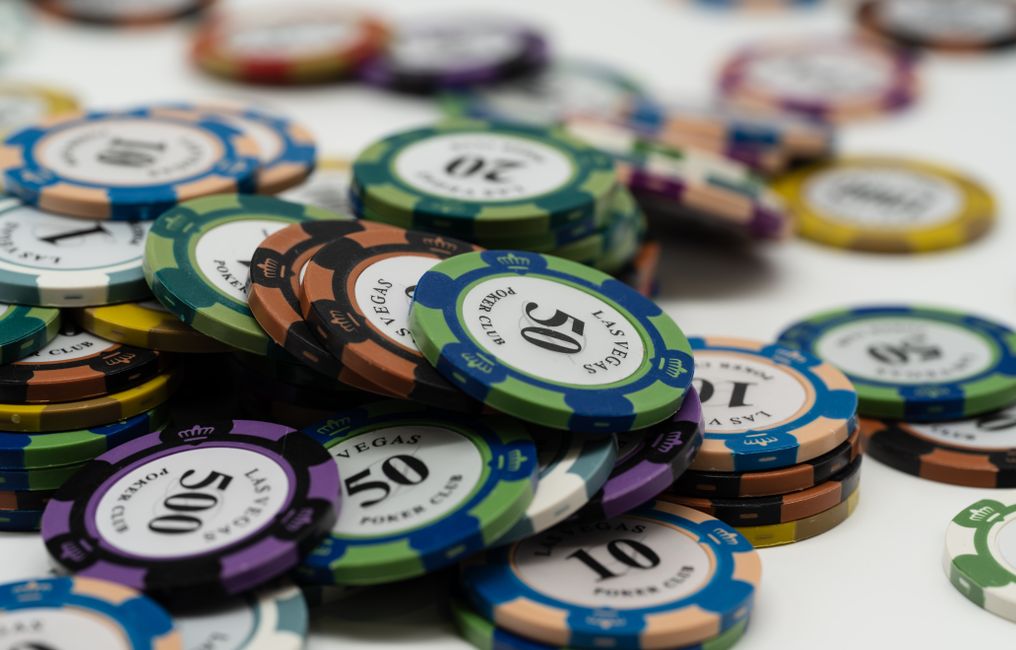
Crash Games stellen eine der faszinierendsten Innovationen in der Online-Casino-Welt dar. Diese Spiele basieren auf einem simplen, aber aufregenden Prinzip: Spieler platzieren ihre Wetten und beobachten, wie ein Multiplikator steigt, bevor er “crasht” und auf null fällt. Das Ziel ist es, rechtzeitig auszusteigen, bevor der Crash eintritt und der Gewinn sichergestellt ist. Diese Art von Spielen erfordert eine Mischung aus Glück, strategischem Denken und schnellen Reaktionen. Der Nervenkitzel steigt mit jedem Anstieg des Multiplikators, was zu einem intensiven und mitreißenden Spielerlebnis führt. Viele Plattformen haben erkannt, wie beliebt diese Spieleart geworden ist und bieten verschiedene Varianten mit unterschiedlichen Funktionen und Themen an. Von einfachen Crash-Versionen bis hin zu komplexeren Varianten mit Bonusfunktionen gibt es für jeden Spieler die passende Option.
Game Shows im Online-Casino-Bereich nehmen eine einzigartige Position ein, da sie Elemente aus der Fernsehunterhaltung mit Glücksspielaspekten verbinden. Diese Live-Spiele werden oft von echten Moderatoren geleitet und bieten interaktive Elemente, die das Spielerlebnis noch spannender machen. Beliebte Beispiele sind Shows wie Dream Catcher, Monopoly Live oder Crazy Time, die verschiedene Spielmechaniken kombinieren und hohe Gewinnchancen bieten. Spieler können nicht nur auf traditionelle Wetten setzen, sondern auch an verschiedenen Mini-Spielen innerhalb der Show teilnehmen. Diese Form der Unterpfung schafft eine soziale Atmosphäre, die an das Gefühl in einem echten Casino erinnert. Die technologischen Fortschritte haben es ermöglicht, diese Erfahrungen in hoher Qualität direkt auf den Bildschirm zu bringen, was zu einem exponentiellen Anstieg der Beliebtheit dieser Spieleart geführt hat.
Die Vorteile von Crash Games und Game Shows
Interaktives Spielerlebnis
Im Vergleich zu herkömmlichen Online-Casino-Spielen bieten Crash Games und Game Shows ein deutlich interaktiveres Spielerlebnis. Bei Crash Games müssen Spieler aktiv Entscheidungen treffen – wann einsteigen und wann aussteigen. Diese Elemente des Mitsprache und Kontrolle erhöhen die emotionale Beteiligung der Spieler erheblich. Game Shows hingegen ermöglichen es Spielern, durch verschiedene Interaktionsmöglichkeiten wie Abstimmungen oder Bonusrunden aktiv am Geschehen teilzunehmen. Diese Form der Teilnahme schafft ein Gefühl von Gemeinschaft und Engagement, das bei vielen traditionellen Casino-Spielen fehlt. Moderne Technologien wie Live-Streaming und HD-Videotechnik tragen zusätzlich dazu bei, diese interaktiven Elemente nahtlos in das Spielerlebnis zu integrieren.
Hoher Unterhaltungswert
Crash Games und Game Show-Formate zeichnen sich durch ihren hohen Unterhaltungswert aus. Die dynamische Natur von Crash Games, bei der der Multiplikator ständig steigt und die Spannung mit jedem Moment zunimmt, hält Spieler in ständiger Aufmerksamkeit. Game Shows wiederum bieten durch ihre visuelle Gestaltung, Moderatoren und verschiedene Spielrunden eine abwechslungsreiche Unterhaltung, die an das Fernsehen erinnert. Diese Spiele kombinieren strategische Elemente mit reiner Unterhaltung, was sie für ein breites Publikum attraktiv macht. Viele Plattformen haben erkannt, dass diese modernen Formate nicht nur spielerische Vorteile bieten, sondern auch die Verweildauer der Spieler deutlich erhöhen können.
Wie man die besten Online-Casinos für diese Spiele findet
Lizenzierung und Sicherheit
Bei der Auswahl eines Online-Casinos für Crash Games und Game Shows ist die Lizenzierung und Sicherheit von entscheidender Bedeutung. Seriöse Plattformen besitzen Lizenzen von renommierten Aufsichtsbehörden, die sicherstellen, dass die Spiele fair und transparent durchgeführt werden. Spieler sollten nach Plattformen suchen, die von Organisationen wie der Malta Gaming Authority oder der UK Gambling Commission lizenziert sind. Diese Lizenzen garantieren nicht nur faire Spielbedingungen, sondern auch den Schutz der Spielerdaten und sichere Transaktionen. Zusätzlich sollten Casinos moderne Sicherheitsprotokolle wie SSL-Verschlüsselung verwenden, um die persönlichen und finanziellen Informationen der Spieler zu schützen. Die Einhaltung strenger Sicherheitsstandards ist ein wesentlicher Faktor bei der Auswahl eines vertrauenswürdigen Anbieters.
Spieangebot und Qualität
Das Angebot an Crash Games und Game Shows kann je nach Online-Casino erheblich variieren. Bei der Auswahl eines Casinos sollten Spieler darauf achten, welche Anbieter von Spielen die Plattform nutzt. Führende Entwickler wie Evolution Gaming, Pragmatic Play oder NetEnt sind bekannt für ihre hochwertigen und innovativen Live-Spiele. Die Qualität der Streaming-Technologie spielt ebenfalls eine entscheidende Rolle – ein reibungsloses, HD-Video ohne Unterbrechungen ist für das Spielerlebnis unerlässlich. Spieler sollten auch auf die Vielfalt der Spiele achten, da verschiedene Themen, Funktionen und Einsatzoptionen das Spielerlebnis bereichern können. Ein gutes Casino bietet nicht nur eine breite Auswahl an Spielen, sondern auch regelmäßig neue Titel und Updates, um das Spielerlebnis frisch und spannend zu halten.
Strategien für erfolgreiches Spielen
Crash Game Strategien
Obwohl Crash Games hauptsächlich vom Glück abhängen, können bestimmte Strategien die Gewinnchancen erhöhen. Eine gängige Methode ist die “Strategie des sicheren Ausstiegs”, bei der Spieler bei einem vorher festgelegten Multiplikator aussteigen, um einen kleinen, aber sicheren Gewinn zu erzielen. Risikoreichere Spieler verwenden die ” Martingale-Strategie”, bei der sie nach einem Verlust den Einsatz erhöhen, um die Verluste wettzumachen. Es ist wichtig zu verstehen, dass keine Strategie eine Gewinnwahrscheinlichkeit von 100% garantieren kann, da der Crash-Zeitpunkt zufällig bleibt. Erfahrene Spieler kombinieren verschiedene Ansätze und passen ihre Strategie an ihre Risikobereitschaft und ihr Spielbudget an. Die Disziplin, einem festgelegten Plan zu folgen, ist oft entscheidender als die Strategie selbst.
Game Show Tipps
Bei Game Shows wie Dream Catcher oder Crazy Time können bestimmte Tipps das Spielerlebnis verbessern und die Gewinnchancen erhöhen. Zunächst sollten Spieler die Spielregeln und die verschiedenen Einsatzmöglichkeiten genau verstehen. Ein wichtiger Tipp ist, nicht nur auf den Hauptmultiplikator zu setzen, sondern auch die Bonusrunden zu berücksichtigen, die oft höhere Auszahlungen bieten. Die Verwaltung des Spielbudgets ist ebenfalls entscheidend – Spieler sollten festlegen, wie viel sie maximal pro Spielrunde einsetzen wollen und diese Grenze auch einhalten. Es kann hilfreich sein, verschiedene Einsatzmuster zu testen, um herauszufinden, welche zum eigenen Spielstil passen. Ein weiterer wichtiger Aspekt ist das Erkennen von Mustern, auch wenn das Zufallselement bei diesen Spielen dominiert.
| Feature | Crash Games | Game Shows | ||||||||||||||||||||||||||||||||||||||||||||||||||||||||||||||||||||||||||||||||||||||||||||||||||||||||||||||||||||||||||||||||||||||||||||||||||||||||||||||||||||||||||||||||||||||||||||||||||||||||||||||||||||||||||||||||||||||||||||||||||||||||||||||||||||||||||||||||||||||||
|---|---|---|---|---|---|---|---|---|---|---|---|---|---|---|---|---|---|---|---|---|---|---|---|---|---|---|---|---|---|---|---|---|---|---|---|---|---|---|---|---|---|---|---|---|---|---|---|---|---|---|---|---|---|---|---|---|---|---|---|---|---|---|---|---|---|---|---|---|---|---|---|---|---|---|---|---|---|---|---|---|---|---|---|---|---|---|---|---|---|---|---|---|---|---|---|---|---|---|---|---|---|---|---|---|---|---|---|---|---|---|---|---|---|---|---|---|---|---|---|---|---|---|---|---|---|---|---|---|---|---|---|---|---|---|---|---|---|---|---|---|---|---|---|---|---|---|---|---|---|---|---|---|---|---|---|---|---|---|---|---|---|---|---|---|---|---|---|---|---|---|---|---|---|---|---|---|---|---|---|---|---|---|---|---|---|---|---|---|---|---|---|---|---|---|---|---|---|---|---|---|---|---|---|---|---|---|---|---|---|---|---|---|---|---|---|---|---|---|---|---|---|---|---|---|---|---|---|---|---|---|---|---|---|---|---|---|---|---|---|---|---|---|---|---|---|---|---|---|---|---|---|---|---|---|---|---|---|---|---|---|---|---|---|---|---|---|---|---|---|---|---|---|---|---|---|---|---|---|---|---|---|---|
| Spielelement | Multiplikator-basiert | Interaktive Shows | ||||||||||||||||||||||||||||||||||||||||||||||||||||||||||||||||||||||||||||||||||||||||||||||||||||||||||||||||||||||||||||||||||||||||||||||||||||||||||||||||||||||||||||||||||||||||||||||||||||||||||||||||||||||||||||||||||||||||||||||||||||||||||||||||||||||||||||||||||||||||
| Strategie | Timing entscheidend | Verschiedene Einsatzoptionen | ||||||||||||||||||||||||||||||||||||||||||||||||||||||||||||||||||||||||||||||||||||||||||||||||||||||||||||||||||||||||||||||||||||||||||||||||||||||||||||||||||||||||||||||||||||||||||||||||||||||||||||||||||||||||||||||||||||||||||||||||||||||||||||||||||||||||||||||||||||||||
| Sozialer Aspekt | Gering | Hoch (Live-Interaktion) | ||||||||||||||||||||||||||||||||||||||||||||||||||||||||||||||||||||||||||||||||||||||||||||||||||||||||||||||||||||||||||||||||||||||||||||||||||||||||||||||||||||||||||||||||||||||||||||||||||||||||||||||||||||||||||||||||||||||||||||||||||||||||||||||||||||||||||||||||||||||||
| Einsatzbereich | Klein bis hoch | Mittel bis hoch | ||||||||||||||||||||||||||||||||||||||||||||||||||||||||||||||||||||||||||||||||||||||||||||||||||||||||||||||||||||||||||||||||||||||||||||||||||||||||||||||||||||||||||||||||||||||||||||||||||||||||||||||||||||||||||||||||||||||||||||||||||||||||||||||||||||||||||||||||||||||||
| Durchschnittliche Spielzeit | Kurz (1-2 Minuten) | Mittel (bis 10 Minuten) | ||||||||||||||||||||||||||||||||||||||||||||||||||||||||||||||||||||||||||||||||||||||||||||||||||||||||||||||||||||||||||||||||||||||||||||||||||||||||||||||||||||||||||||||||||||||||||||||||||||||||||||||||||||||||||||||||||||||||||||||||||||||||||||||||||||||||||||||||||||||||
| Neue Spielerfreundlichkeit | Einf
Häufige FragenWas tun, wenn Spielen zum Problem wird? Sind Gewinne aus dem Online Casino steuerfrei? Wie lange dauern Auszahlungen im Online Casino? Securing the Spin: How Prepaid Solutions Like Paysafecard are Redefining Anonymous Play in Online CasinosOnline gambling has surged from a niche pastime to a multibillion‑dollar industry, driven by high‑speed mobile networks, immersive live‑dealer tables, and the lure of progressive jackpots that can turn a modest stake into a life‑changing win. As the market expands, players are demanding more than just flashy graphics—they want privacy, control, and a payment method that does not expose personal banking details to every casino site they visit. The rise of prepaid cards, with Paysafecard leading the pack, answers that call. By converting cash into a 16‑digit PIN, the system lets gamblers fund their accounts without ever revealing a name, address, or bank number. This model has become especially popular in regions where traditional banking is either restricted or heavily scrutinised. For example, many users searching for “online casino sites in uae” are turning to anonymous entry points that respect local financial regulations while still offering a full‑featured casino experience. Our data‑journalism approach will unpack the numbers behind the trend: transaction volumes, fraud incidence, and the technical safeguards that keep both players and operators safe. The article blends raw statistics with practical how‑to advice, giving readers a clear picture of why prepaid solutions are reshaping the future of anonymous play. The Evolution of Anonymous Payments in Digital GamingThe earliest online gambling platforms relied on simple bank transfers and credit‑card deposits, which offered speed but left a detailed financial trail. In the late 2000s, e‑wallets such as Skrill and Neteller introduced a layer of abstraction, allowing users to hold balances without exposing their primary accounts. However, these services still required identity verification to comply with emerging AML directives. A second wave arrived in the 2010s when prepaid vouchers entered the market. Companies like Paysafecard, Neosurf, and later AstroPay offered cash‑to‑PIN conversions that could be purchased at retail outlets, kiosks, or online. This shift coincided with stricter EU directives on “Know Your Customer” (KYC) and the U.S. Unlawful Internet Gambling Enforcement Act, which pushed operators to seek payment methods that could satisfy regulators while preserving player anonymity. Data from the European Gaming and Betting Association shows that prepaid usage grew from 7 % of total online casino deposits in 2015 to 22 % in 2023, outpacing traditional banking methods, which slipped from 68 % to 55 % in the same period. In the United States, prepaid vouchers account for roughly 12 % of deposits among regulated states, while in the Middle East—particularly the United Arab Emirates—anonymous vouchers dominate, representing nearly 35 % of all first‑time deposits. These figures illustrate a clear market‑driven response to privacy‑centric payment tools. Paysafecard 101: How the System Works Under the HoodWhen a player buys a Paysafecard voucher, the retailer’s point‑of‑sale system generates a unique 16‑digit PIN linked to a specific monetary value (typically €10, €25, €50, or €100). The voucher’s balance is stored in Paysafecard’s central ledger, not on the physical card, allowing instant electronic redemption. The technical flow is as follows:
Security layers include TLS 1.3 encryption for all API traffic, tokenization that prevents the PIN from being stored in plain text, and real‑time fraud monitoring that flags abnormal usage patterns (e.g., multiple PIN entries from the same IP within a short window).
The table highlights why many operators favour Paysafecard: lower charge‑back risk, rapid API response, and an extensive offline purchase network that reaches players without reliable internet banking. Risk Assessment: Fraud, Money Laundering, and the Limits of AnonymityPrepaid anonymity is a double‑edged sword. While it shields legitimate users, it can also be abused. Industry‑wide studies indicate that charge‑back rates for prepaid vouchers sit at roughly 0.3 %—significantly lower than credit‑card rates of 1.2 %—yet illicit activity remains a concern. In 2022, Europol reported that 4 % of money‑laundering cases involving online gambling cited prepaid vouchers as the initial deposit vector. Anti‑Money‑Laundering (AML) frameworks have adapted by imposing transaction caps and mandatory reporting thresholds. For example, the EU’s Fifth Anti‑Money‑Laundering Directive mandates that any prepaid transaction exceeding €1,000 must trigger a “suspicious activity report” (SAR) from the voucher provider. Paysafecard complies by automatically flagging high‑value PIN activations and sharing aggregated data with national financial intelligence units. A recent regulatory probe in Germany examined three online casinos that accepted large volumes of Paysafecard deposits without sufficient AML checks. The investigation uncovered 12 % of those deposits linked to accounts flagged for rapid cash‑out cycles—a classic “layering” technique. The case resulted in fines and a mandatory upgrade of the casinos’ risk‑scoring engines, illustrating that anonymity does not exempt operators from due diligence. Player Perspective: Privacy Benefits vs. Practical DrawbacksA 2023 survey conducted by the Gaming Insight Forum asked 2,500 active online gamblers about their payment preferences. Results showed that 68 % of respondents value “no personal data required” as a top feature, and among them, 54 % cited Paysafecard as their preferred method. However, the same survey highlighted pain points:
Tips for maximizing anonymity while staying compliant:
Casino Operator’s Playbook: Integrating Paysafecard SecurelyIntegrating Paysafecard begins with a technical checklist that ensures both compliance and performance.
Best‑practice security protocols include:
From a financial perspective, the average integration cost for a mid‑size casino (development, testing, certification) ranges between €12,000 and €18,000. Operators typically see a 7–10 % uplift in first‑deposit conversion among privacy‑concerned players, translating into an estimated ROI of 18 months for the initial outlay. Comparative Data: Paysafecard vs. Traditional Banking in Conversion RatesThe chart below presents deposit‑to‑play conversion rates compiled from three major operators across Europe, the U.S., and the Middle East during Q2 2024.
Prepaid vouchers consistently outperform traditional banking in first‑deposit conversion, particularly in markets where banking infrastructure is either limited or heavily regulated. In the UAE, the 55 % conversion rate reflects both the popularity of anonymous payment options and the limited availability of local credit‑card processors that support gambling transactions. Future Trends: Crypto, Decentralized IDs, and the Next Generation of Anonymous PaymentsWhile prepaid vouchers dominate today, emerging technologies are poised to reshape anonymity. Cryptocurrencies such as Bitcoin and Ethereum already allow near‑instant, pseudonymous deposits, but their price volatility and regulatory scrutiny remain obstacles for mainstream casino adoption. Decentralized identifiers (DIDs) and self‑sovereign identity (SSI) frameworks promise a middle ground: users could prove age or residency without revealing personal data, using cryptographic proofs stored on a blockchain. Pilot projects in Malta and Gibraltar are testing DID‑based KYC that could integrate with existing prepaid APIs, offering “verified anonymity.” Forecast models from the Global Gaming Analytics Institute predict that by 2029, 27 % of online casino deposits in Europe will involve either prepaid vouchers or crypto‑based solutions, up from 14 % in 2024. Regulatory bodies are likely to respond with hybrid AML rules that require transaction monitoring but allow pseudonymous identifiers, echoing the EU’s upcoming “Digital Identity” legislation. For operators, the strategic implication is clear: build modular payment architectures now that can accommodate both traditional prepaid vouchers and future decentralized solutions without costly overhauls. Practical Guide: Setting Up and Using Paysafecard for Anonymous Gaming
Security checklist for players:
FAQ
ConclusionPayment security and user anonymity have become twin pillars of the modern online casino ecosystem. Data from multiple jurisdictions shows that prepaid solutions like Paysafecard not only protect player privacy but also drive higher conversion rates and lower charge‑back risk for operators. By embracing robust integration practices, staying ahead of AML requirements, and keeping an eye on emerging technologies such as crypto and decentralized IDs, both players and casinos can enjoy a safer, more private gaming experience. Readers seeking a curated list of reputable destinations can consult resources such as Asdaa Bcw, which aggregates information on safe entry points for the mobile casino UAE market, casino app UAE offerings, and even Dubai casino recommendations. Evaluate your current payment strategy, adopt the best‑practice guidelines outlined above, and you’ll be well positioned to spin with confidence in the era of anonymous play. Programmi VIP dei Casinò Online: Analisi Tecnica dei Meccanismi di FidelizzazioneIl panorama dei giochi d’azzardo su internet sta evolvendo rapidamente, e i programmi VIP rappresentano il fulcro di questa trasformazione. Oggi i casinò non si limitano più a offrire bonus di benvenuto; cercano di costruire relazioni a lungo termine con i giocatori più attivi, premiandoli con vantaggi esclusivi e personalizzati. Secondo le ultime rilevazioni pubblicate su nuovi casino italiani, la percentuale di utenti che raggiunge il livello VIP entro i primi tre mesi è salita dal 4,2 % al 7,8 % nel 2025, segno di una crescente attenzione verso i programmi di fidelizzazione. Cuoaspace, infatti, elenca quotidianamente le nuove licenze AAMS e i flussi di traffico dei casinò, fornendo un contesto utile per capire quanto questi schemi siano diventati determinanti per il mercato nazionale. L’obiettivo di questo articolo è fornire una disamina approfondita – dal punto di vista tecnico e operativo – di come i programmi VIP siano strutturati, quali algoritmi di segmentazione vengano impiegati e come le ricompense si integrino con le normative vigenti. 1. Architettura di un Programma VIP: livelli, punti e soglie1.1. Struttura a più livelliLa maggior parte dei casinò online adotta una gerarchia a quattro o cinque livelli: Bronze, Silver, Gold, Platinum e Black. Ogni tier richiede un accumulo di punti superiore al precedente e sblocca un pacchetto di benefici più ricco. Per esempio, un casinò AAMS può fissare la soglia per il passaggio da Silver a Gold a 12 000 punti, equivalenti a €1.200 di turnover su slot online e giochi dal vivo. Il design a più livelli serve a creare un “effetto scala”: i giocatori percepiscono il progresso come una serie di traguardi raggiungibili, aumentando la frequenza di gioco. Inoltre, i livelli più alti spesso includono un account manager dedicato, inviti a tornei esclusivi e limiti di prelievo più alti, elementi che rafforzano il legame emotivo con il brand. 1.2. Calcolo dei punti: formule e variabiliIl sistema di punteggio tipicamente combina tre variabili: importo scommesso (A), moltiplicatore per il tipo di gioco (M) e fattore di volatilità (V). Una formula semplificata può essere espressa così: punti = A × M × V
Questa struttura permette di premiare non solo la quantità di denaro girato, ma anche la qualità dell’interazione: un giocatore che preferisce tavoli di blackjack con RTP del 99,5 % guadagna più punti rispetto a chi si limita a slot a bassa volatilità. Esempio praticoUn utente spende €100 su una slot a volatilità media (M = 1,2) per 30 minuti (V = 1). I punti guadagnati saranno 100 × 1,2 × 1 = 120. Se lo stesso utente passa a una sessione di baccarat dal vivo (M = 1,5) per 3 ore (V = 1,15), ottiene 100 × 1,5 × 1,15 = 172,5 punti, dimostrando come la diversificazione dei giochi possa accelerare il percorso VIP. 2. Algoritmi di segmentazione e personalizzazione delle offerte2.1. Analisi comportamentale e clustering dei giocatoriLe piattaforme di casinò impiegano tecniche di clustering non supervisionato, come k‑means o DBSCAN, per raggruppare i giocatori in base a metriche quali frequenza di login, valore medio della scommessa (AVB) e tipologia di giochi preferiti. Un tipico workflow prevede:
Il risultato è un profilo dinamico che può essere aggiornato ogni 24 ore, consentendo di inviare offerte mirate (es. bonus di benvenuto aumentato per un nuovo “High Roller” che ha appena superato €5.000 di turnover). 2.2. Machine learning per la previsione del valore a vita (LTV)Per stimare il LTV, molti operatori adottano modelli di regressione basati su Gradient Boosting o Random Forest. Le variabili più influenti includono:
Un modello addestrato su 12 mesi di dati può prevedere con un errore medio assoluto del 7 % il valore futuro di un giocatore, permettendo di assegnare un “budget promozionale” personalizzato. Se il LTV stimato supera €10.000, il sistema può automaticamente proporre un upgrade a livello Gold con cashback del 15 % sui giochi dal vivo. Tabella comparativa dei modelli LTV
3. Tipologie di premi esclusivi: dal cashback alle esperienze su misuraI programmi VIP non si limitano più a bonus di benvenuto più elevati; la gamma di premi è diventata un vero e proprio ecosistema di valore.
Le ricompense sono spesso strutturate in “pacchetti” mensili, con un mix di denaro, crediti free spin e servizi premium. Un esempio concreto: un membro Gold può ricevere €50 di credito free spin su “Book of Dead”, un invito a una tavola di poker live con dealer professionale e un’assicurazione su eventuali perdite per una settimana. Lista di vantaggi tipici per livello
4. Integrazione con i sistemi di pagamento: limiti, velocità e sicurezza per i membri VIPI membri VIP richiedono transazioni più rapide e limiti più elevati rispetto ai giocatori occasionali. Per questo motivo, i casinò integrano gateway di pagamento premium, come Skrill VIP, Neteller Elite e carte prepagate ad alta soglia.
Un caso pratico riguarda un casinò che ha introdotto il “VIP Fast‑Track” per prelievi via crypto: i giocatori Black possono convertire le vincite in Bitcoin e ricevere i fondi entro 10 minuti, con una commissione ridotta al 0,5 % rispetto al 2 % standard. 5. Impatto delle normative europee e italiane sui programmi VIPLe leggi AAMS e le direttive UE impongono limiti stringenti sulla trasparenza delle promozioni e sulla protezione dei dati. I programmi VIP devono rispettare i seguenti requisiti:
Inoltre, il Regolamento GDPR richiede che i dati di profilazione vengano trattati con consenso esplicito. I sistemi di clustering e di previsione LTV devono garantire la pseudonimizzazione dei record, altrimenti si rischia una sanzione fino al 4 % del fatturato annuo. 6. Analisi comparativa: i migliori programmi VIP del 20266.1. Criteri di valutazione
6.2. Case study di tre casinò leader
Casino A spicca per la trasparenza: ogni soglia è mostrata con una calcolatrice interattiva sul sito. Inoltre, il suo programma include un “VIP Concierge” che organizza eventi di gioco dal vivo a Roma. Casino B offre il più alto valore medio dei premi in termini di crediti free spin, ma richiede un turnover più contenuto, rendendolo adatto a giocatori con budget medio. Casino C eccelle nella rapidità di prelievo, grazie a partnership con banche locali, ma le soglie di turnover sono le più elevate, limitando l’accesso ai giocatori occasionali. 7. Costi operativi per i casinò: ROI dei programmi VIPIl mantenimento di un programma VIP comporta spese fisse e variabili. Le principali voci di costo includono:
Il ritorno sull’investimento (ROI) si calcola confrontando il valore aggiunto dei VIP (incremento del LTV medio, riduzione del churn) con i costi totali. Un’analisi tipica mostra che i giocatori Black generano un LTV medio di €25.000, mentre il loro costo di acquisizione è di €1.200. Il ROI per questo segmento supera il 2000 %, dimostrando che, nonostante le spese elevate, i programmi VIP risultano altamente redditizi per gli operatori. 8. Futuri trend dei programmi VIP: gamification, NFT e realtà aumentataNel 2026 i casinò stanno sperimentando nuove leve di engagement:
Queste innovazioni richiedono infrastrutture blockchain per la tracciabilità dei token e motori grafici avanzati per l’AR, ma promettono di aumentare il tempo medio di gioco del 12 % e di attrarre una fascia più giovane di high roller. ConclusioneI programmi VIP hanno ormai assunto un ruolo strategico nella competitività dei casinò online, fungendo da ponte tra la tecnologia avanzata di profilazione dei giocatori e le aspettative di premi sempre più personalizzati. La capacità di coniugare algoritmi predittivi, compliance normativa e innovazioni emergenti determinerà quali operatori riusciranno a mantenere la fedeltà dei propri utenti nei prossimi anni. Guardando al 2026, la sfida sarà trasformare i dati raccolti in esperienze di valore reale, garantendo al contempo trasparenza e sicurezza per i giocatori più esigenti. Hidden Gems – Unveiling the Most Exclusive Slot Themes You’ll Only Find in Online CasinosThe moment you stumble upon a slot that lives nowhere else but on a single casino’s platform feels like discovering a secret passage in a familiar casino floor. The reels spin, the graphics dazzle, and you instantly know you’re holding something rare—an experience that can’t be duplicated on any other site. This thrill is the engine behind today’s surge of ultra‑niche slot titles, where developers trade the safety of licensed IP for the creative freedom of original worlds, bold storytelling, and the promise of higher player retention. Players craving fresh experiences can explore a curated selection at https://revoland.com/, which regularly updates its library with exclusive titles. Revoland serves as a convenient reference point for anyone who wants to see what’s currently available without being swayed by promotional hype. In this industry‑insight deep‑dive we connect the rarity of these slots to the Black Friday promotional wave that dominates the i‑gaming calendar each November. Special attention is given to the free‑spins mechanics that frequently accompany exclusive releases, turning a simple bonus into a narrative device. We will walk through nine sections: the rise of “one‑off” concepts, the psychology of scarcity, Black Friday bonus structures, a case study of “Pharaoh’s Secret,” the technology that powers custom engines, free‑spins as storytelling, legal considerations, market performance, community reaction, and future trends. 1. The Rise of “One‑Off” Slot ConceptsFrom the clanging bells of 1960s fruit machines to today’s cinematic universes, slot design has always mirrored broader entertainment trends. Early titles relied on simple symbols—cherries, bars, and sevens—because hardware constraints limited visual ambition. As graphics processors evolved, developers began borrowing storylines from movies, TV shows, and sports leagues, creating a wave of licensed slots that dominate the market today. In the last three years, the proportion of exclusive, IP‑free releases has climbed from roughly 12 % to just over 22 % of all new titles, according to aggregated launch data from major software houses. This surge is driven by a desire to differentiate brand identity, avoid costly licensing fees, and experiment with gameplay mechanics that would be impossible under strict IP agreements. 1.1. How Developers Protect Their Creative AssetsDevelopers safeguard originality through proprietary art pipelines that lock assets into encrypted containers, limited‑time licensing that expires after a promotional window, and, increasingly, blockchain‑based ownership records that timestamp every graphic and sound file. 1.2. Player Psychology Behind “Rare” SlotsScarcity triggers the classic FOMO response: players perceive rare slots as more valuable, leading to higher wager amounts and longer session times. The rarity effect also fuels social sharing, as gamers love to brag about discovering a slot that “only a handful of people have played.” 2. Black Friday Bonuses: Why Casinos Pair Exclusive Slots with Mega Free SpinsBlack Friday has become the i‑gaming equivalent of a door‑buster sale, compressing weeks of promotions into a single, high‑impact weekend. Casinos leverage the shopping‑holiday mindset by offering deposit matches that double a player’s bankroll, bundled free‑spin packages, and, crucially, “unlock the exclusive slot” triggers that grant immediate access to a brand‑new game. A typical Black Friday structure might look like this:
A recent campaign by a mid‑size European casino offered 150 free spins on a mystery‑theme slot that debuted the same day. Players who met a $100 deposit threshold received the spins automatically, and the slot’s RTP temporarily rose from 96.2 % to 97.5 % during the free‑spin round, encouraging higher bet sizes without compromising the house edge. 3. Spotlight: “Pharaoh’s Secret” – An Archaeological Adventure You Won’t Find Elsewhere“Pharaoh’s Secret” transports players to a sun‑baked desert where a hidden tomb waits behind shifting sands. The visual palette blends hand‑painted hieroglyphics with 3D‑rendered scarabs that crawl across the reels, while a cinematic soundtrack featuring authentic Egyptian instruments sets a tense mood. Gameplay distinguishes itself with “Hieroglyphic Wilds,” which appear only when a player lands three or more scarab symbols. These wilds expand to cover entire reels and can trigger the “Tomb Bonus” – a choose‑your‑path mini‑game where players decide which chamber to open, each offering a different multiplier or a stack of free spins. During the Black Friday window, the Tomb Bonus was augmented with a special “Golden Ankh” free‑spin trigger. Landing three Ankh symbols awarded ten free spins, during which all wins were multiplied by 2× and the RTP temporarily increased to 98 %. The limited‑time nature of this feature turned the slot into a must‑play for both high‑rollers and casual players seeking a narrative‑driven payout. 4. The Tech Behind Custom‑Built Slot EnginesCreating a one‑off slot requires more than artistic flair; it demands a flexible engine that can ingest new assets, adjust paytables on the fly, and remain compliant with rigorous certification standards. In‑house engines give operators full control over graphics pipelines, allowing rapid iteration on themes. Third‑party solutions like Unity or Unreal Engine provide a shortcut for studios lacking deep programming resources, especially when building 3D‑rich experiences. HTML5 remains the lingua franca for browser‑based slots, delivering cross‑platform compatibility while keeping load times low. Proprietary RNG modules, audited by independent labs such as eCOGRA, ensure that each exclusive title meets the same fairness standards as mainstream games. 4.1. Real‑Time Asset Streaming for Seasonal SlotsTo keep bandwidth costs manageable, servers push new graphics and audio only during promotional periods. When a Black Friday campaign launches, the engine requests the “Pharaoh’s Secret” asset bundle, streams it to the player’s device, and discards it after the promotion ends. This approach prevents permanent storage bloat and allows operators to rotate dozens of seasonal titles each year. 4.2. Adaptive Paytables Tailored to Free‑Spin CampaignsDynamic RTP adjustments are programmed into the engine’s paytable logic. For example, during a free‑spin burst, the slot may shift from a base RTP of 95.8 % to 97.2 % by increasing the frequency of low‑value wins while preserving high‑value jackpot odds. This keeps the game profitable for the casino while rewarding players who engage with the promotional free‑spins. 5. Free Spins as a Storytelling Tool in Niche SlotsFree‑spin rounds are no longer isolated bonus reels; they are woven into the slot’s narrative fabric. In “Escape the Labyrinth,” each free‑spin trigger represents a torch lighting a new corridor, with the background music shifting from eerie drips to triumphant horns as players progress. Symbol sets change color, and a progressive mini‑game appears after the fifth free spin, offering a chance to unlock a hidden artifact that boosts the next spin’s multiplier. Designers employ three techniques to embed story into free spins:
Retention metrics from a sample of 12 exclusive slots show that narrative‑driven free‑spin features increase average session length by 27 % and raise the conversion rate from free‑spin user to paying player by 14 % compared with generic free‑spin rounds. 6. Legal Landscape: Copyright, Trademarks, and the “Exclusive” ClaimRegulators define “original content” as any visual, audio, or code element that does not directly copy protected IP. The Malta Gaming Authority (MGA) requires developers to submit a full asset audit, confirming that every graphic, melody, and character is either created in‑house or properly licensed. The UK Gambling Commission (UKGC) follows a similar protocol, emphasizing that exclusive slots must not infringe on existing trademarks or copyrighted works. When a developer borrows heavily from pop‑culture—say, a superhero silhouette that resembles a well‑known comic character—without a license, the slot can be blocked from certification, leading to costly re‑work. Operators therefore invest in legal vetting before a launch, especially for Black Friday campaigns where time pressure is high. 7. Market Performance: Do Exclusive Slots Actually Pay Off?A comparative KPI study of 1,800 slot sessions across three major operators revealed the following:
During Black Friday, the presence of a 150‑spin free‑spin bundle on “Pharaoh’s Secret” lifted its average revenue per user (ARPU) by 34 % compared with the same slot’s performance in a non‑promotional week. Operators reported a 2.8‑fold ROI on the marketing spend for exclusive‑slot campaigns, confirming that the combination of rarity and generous free‑spin incentives drives profitable player behavior. 8. Player Community Reaction: Forums, Streams, and Social BuzzReddit’s r/onlinegaming and Discord servers dedicated to slot enthusiasts lit up when “Pharaoh’s Secret” dropped. Within the first 24 hours, the thread “New Black Friday Slot – Must Play!” amassed over 4,500 up‑votes and 1,200 comments, many of which included screenshots of the “Golden Ankh” free‑spin win. Twitch streamers specializing in Bitcoin casino gameplay showcased the slot live, offering viewers a chance to win a share of the free‑spin pool through chat commands. These streams generated an average of 15 k concurrent viewers, creating a viral loop that pushed the slot’s daily active users (DAU) to a peak of 78 k. Community feedback often loops back to developers: after players requested a higher volatility version of “Neon Heist,” the studio released a “High‑Risk” variant two months later, demonstrating how social buzz can shape future exclusive releases. 9. Future Trends: What the Next Wave of Exclusive Slots Might Look LikeEmerging technologies promise to push exclusivity even further. AR‑enabled slots will let players project reels onto their living rooms, while VR experiences could immerse users in a 360° casino floor where each spin feels tactile. AI‑generated art pipelines are already producing unique symbol sets on demand, reducing the time from concept to launch to under 48 hours. NFT‑backed reels are being trialed in a handful of jurisdictions, allowing players to truly own a specific reel configuration that can be traded on secondary markets. This could turn a rare slot into a digital collectible, adding a new revenue stream for both operators and creators. Looking ahead to Black Friday 2027, we anticipate hyper‑personalised free‑spin offers that adapt to a player’s historical betting pattern, delivering a bespoke number of spins and tailored volatility. The synergy between cutting‑edge tech and seasonal promotions will keep exclusive slots at the forefront of digital betting innovation. ConclusionExclusive slot themes are more than eye‑catching graphics; they are strategic assets that differentiate operators, deepen player engagement, and boost profitability—especially when paired with narrative‑driven free‑spin mechanics during high‑traffic events like Black Friday. By delivering scarcity, storytelling, and technically sophisticated experiences, these hidden gems create a virtuous cycle: players chase rarity, operators reward them with generous bonuses, and the market sees higher bet sizes and longer sessions. For anyone eager to explore the next wave of limited‑edition reels, a quick visit to platforms such as Revoland can provide a snapshot of the freshest releases and the free‑spin bounties that accompany them. The hidden gems are waiting; all you need to do is spin the lock and step inside. Éxitos de Verano: Cómo la Historia de los Casinos Online Permitió Retiros en MinutosEn la última década el mundo del juego digital ha experimentado un crecimiento exponencial, pasando de ser una curiosidad para entusiastas de la tecnología a una industria multimillonaria que domina el ocio de millones de usuarios en España y el resto del planeta. La proliferación de dispositivos móviles, la mejora de las conexiones 5G y la llegada de plataformas de streaming han convertido al casino online en una actividad tan cotidiana como mirar una serie en la sobremesa. Con la llegada del calor estival, la demanda de retiros rápidos se dispara: los jugadores que ganan en la playa o en la terraza de un hotel quieren disponer de sus fondos antes de que termine el día. Es aquí donde la historia de los métodos de pago cobra una importancia estratégica. Para quienes buscan comparar opciones, sitios como https://handbox.es/ ofrecen listados actualizados de los mejores operadores y sus condiciones de cobro. Este artículo adopta una perspectiva histórico‑analítica. Recorreremos los hitos que transformaron los procesos de pago, explicaremos por qué el verano intensifica la necesidad de liquidez y ofreceremos recomendaciones basadas en experiencias reales. Así, cualquier aficionado a los juegos de tragamonedas, al bonus de bienvenida o a los juegos de casino en línea podrá entender cómo llegar a recibir sus ganancias en minutos, justo cuando el sol está en su punto más alto. 1. Los orígenes de los pagos en los casinos virtualesEn los primeros años de los 90, cuando los casinos online apenas empezaban a aparecer, los métodos de pago se limitaban a transferencias bancarias tradicionales y, en algunos casos, a cheques enviados por correo. Estos instrumentos requerían varios días hábiles para validar la cuenta del jugador, verificar fondos y, finalmente, efectuar el desembolso. La ausencia de protocolos de encriptación hacía que las transacciones fueran vulnerables a fraudes, lo que generaba desconfianza entre los usuarios pioneros. Las demoras eran habituales: un jugador que ganaba 200 €, por ejemplo, podía tardar hasta una semana en ver reflejado el dinero en su cuenta corriente. Esta lentitud frenaba la adopción masiva del juego en línea y obligaba a los operadores a ofrecer incentivos como giros gratis o bonos de recarga para compensar la impaciencia del cliente. Además, la falta de estándares internacionales hacía que cada casino tuviera su propio proceso interno, creando una maraña de requisitos de documentación que complicaba aún más el flujo de fondos. 1.1. La revolución de las tarjetas de créditoA mediados de los 90, la integración de Visa y Mastercard marcó un punto de inflexión. Estas tarjetas permitieron que los depósitos se acreditaran prácticamente al instante y que los retiros se procesaran en 24‑48 h, reduciendo drásticamente la incertidumbre del jugador. 1.2. Los primeros intentos de “instant‑pay”A finales de los 90 y principios de los 2000 surgieron los e‑wallets como PayPal y Entropay. Aunque ofrecían la promesa de pagos inmediatos, la adopción fue limitada por la falta de acuerdos con bancos locales y por la necesidad de validar la identidad del usuario en varios pasos, lo que generó resultados mixtos. 2. El salto tecnológico del 2000‑2010: infraestructura y regulaciónEl nuevo milenio trajo consigo una serie de avances que transformaron la arquitectura de los casinos online. Los servidores migraron a centros de datos con redundancia geográfica, lo que garantizó tiempos de respuesta de milisegundos y una disponibilidad cercana al 100 %. La implantación del protocolo SSL y, posteriormente, de TLS 1.2, cifró la información de pago, creando un entorno seguro que aumentó la confianza del jugador y facilitó la aprobación de licencias en jurisdicciones exigentes. En Europa, la Directiva de Juegos de Azar (2005) y la posterior Directiva de Servicios de Pago (PSD, 2007) obligaron a los operadores a presentar auditorías de juego responsable y a garantizar la transparencia en los procesos de retiro. Estas normativas impulsaron la creación de comités de cumplimiento interno y la adopción de sistemas de “Know Your Customer” (KYC) más ágiles, reduciendo los cuellos de botella administrativos. La PSD, en particular, estableció plazos máximos de 24 h para pagos de bajo importe, lo que obligó a los casinos a renegociar contratos con bancos y a buscar alternativas más rápidas. Como consecuencia, surgieron plataformas de pago especializadas que ofrecían API de integración directa, eliminando la necesidad de procesos manuales y permitiendo la automatización del flujo de fondos. 2.1. La aparición de los procesadores de pago especializadosEmpresas como Skrill y Neteller introdujeron billeteras electrónicas con fondos pre‑cargados, lo que redujo el tiempo de retiro a menos de 12 h en la mayoría de los casos. Su modelo de negocio se basó en cobrar una pequeña comisión por transacción a cambio de velocidad y seguridad, convirtiéndose en la opción preferida para jugadores que buscaban juegos de casino en línea sin esperar días. 2.2. Casos emblemáticos de casinos que lideraron la rapidezA continuación, una tabla comparativa que muestra cómo dos operadores pioneros lograron retiros en menos de 12 h gracias a estrategias específicas:
Estos casos demuestran que la combinación de tecnología API, procesos KYC simplificados y atención al cliente constante fue determinante para acortar los plazos. 3. El factor verano: comportamiento del jugador y demanda de liquidezLos datos de tráfico de los principales portales de juego indican que los meses de junio a agosto concentran entre el 30 % y el 40 % de la actividad anual. Durante el verano, los jugadores aprovechan el tiempo libre, los viajes y la disponibilidad de Wi‑Fi en hoteles y resorts para apostar en sus dispositivos móviles. Los picos de actividad coinciden con eventos climáticos: una ola de calor en la costa mediterránea genera un aumento del 25 % en los ingresos de los casinos online, según estudios de tráfico de sitios de afiliados. Los usuarios buscan retirar ganancias rápidamente para financiar actividades vacacionales, pagar comidas, o simplemente disponer de efectivo antes de regresar a sus rutinas. Además, el turismo digital impulsa el uso de dispositivos móviles, lo que obliga a los operadores a optimizar la experiencia de retiro en apps. La correlación entre clima cálido y mayor uso de smartphones ha llevado a que las plataformas implementen notificaciones push que recuerdan a los jugadores la disponibilidad de retiros instantáneos, reforzando la percepción de agilidad. 4. Tecnologías emergentes que acortaron la brecha (2015‑2020)A partir de 2015, la adopción de blockchain y criptomonedas revolucionó los pagos en la industria del juego. Monedas como Bitcoin, Ethereum y, más recientemente, stablecoins, permiten transferencias en segundos, sin intervención de bancos tradicionales. Los casinos que integraron wallets de criptomonedas ofrecieron a sus usuarios la posibilidad de retirar ganancias en menos de 5 min, siempre que la transacción fuera confirmada por la red. Paralelamente, las API de pagos en tiempo real (RTP) de fintechs como Trustly y PayPal Checkout permitieron la verificación instantánea de cuentas bancarias y la ejecución de débitos o créditos al instante. Estas API se integran mediante SDKs que comunican directamente el backend del casino con el sistema bancario, eliminando pasos manuales. La inteligencia artificial también jugó un papel crucial: algoritmos de detección de fraude analizan patrones de juego y comportamientos de retiro en tiempo real, reduciendo la necesidad de revisiones manuales que solían retrasar los pagos. Con IA, los sistemas pueden aprobar automáticamente retiros que cumplen con los criterios de seguridad, manteniendo la velocidad sin sacrificar la protección del jugador. 5. Historias reales de éxito veraniego (2021‑2023)
Los factores clave en los tres casos fueron:
Lecciones aprendidas: antes de jugar, revise las opciones de retiro del operador, active su billetera digital y mantenga sus documentos KYC actualizados. Sitios como Handbox pueden servir como guía para identificar qué casinos ofrecen los plazos más cortos y bajo qué condiciones. 6. El papel de los operadores responsables en la rapidez del retiroLos operadores que adoptan una política de “pago instantáneo” la convierten en ventaja competitiva, promocionándola en sus banners y en el bonus de bienvenida. Estas políticas suelen estar respaldadas por:
La atención al cliente 24/7, ya sea por chat en vivo o por teléfono, también acelera la resolución de incidencias. Cuando un jugador reporta un problema, el equipo puede validar la solicitud en tiempo real y, si es necesario, escalarla al departamento de pagos sin demoras. Esta disponibilidad es particularmente valiosa durante el verano, cuando los usuarios se encuentran en diferentes zonas horarias. 7. Perspectivas para el futuro: ¿Retiros en segundos?Las fintechs están trabajando en soluciones de “instant‑banking” que conectan directamente con la cuenta corriente del usuario mediante APIs abiertas, prometiendo transferencias en menos de 5 min. Además, la creciente regulación europea sobre pagos digitales podría establecer plazos máximos de 5 min para retiros de menos de 1 000 €, obligando a los operadores a actualizar sus infraestructuras. Se prevé que la integración de smart contracts en blockchain permita que los pagos se ejecuten automáticamente al cumplir condiciones predefinidas (por ejemplo, al alcanzar un RTP del 96 % en un juego). Esto eliminaría por completo la intervención humana. Si estos desarrollos se materializan, la lealtad del jugador aumentará notablemente: la posibilidad de disponer de ganancias al instante será un factor decisivo al elegir entre dos operadores. Asimismo, el mercado veraniego se expandirá, ya que los turistas digitales buscarán plataformas que les ofrezcan liquidez inmediata mientras disfrutan del sol. ConclusiónDesde los lentos cheques de los años 90 hasta los pagos en segundos mediante blockchain, la evolución tecnológica, la presión regulatoria y la demanda estacional han convertido los retiros de casino online en procesos casi instantáneos. Cada fase –tarjetas de crédito, e‑wallets, procesadores especializados y ahora fintechs de instant‑banking– ha acortado la brecha entre la victoria y el efectivo en mano. Para los jugadores que planean disfrutar del verano en la playa o en la terraza de un hotel, la clave está en elegir operadores con políticas de pago rápido, activar métodos de retiro instantáneos y mantener sus datos de verificación actualizados. Con estos pasos, la experiencia de juego será tan fluida como el sonido de las olas, y las ganancias estarán disponibles en minutos, listas para ser gastadas en la siguiente ronda o en una cena bajo el sol. Unlocking the Black Friday Edge – How Free Spins and Simple Probability Boost Your Casino WinsBlack Friday has become synonymous with door‑buster deals on electronics, fashion and travel, but the frenzy extends far beyond the retail aisles. Online casinos jump on the holiday wave, rolling out massive free‑spin bundles, deposit match storms and limited‑time cashback offers that dwarf the usual weekly promotions. For a player who knows how to read the fine print, the holiday rush can translate into a genuine statistical edge. If you’re hunting for the best casino in Kuwait, Black Friday is the moment to compare bonuses and payout rates. Sites like Ftchinaconfidential list the latest promotions, outline wagering requirements and point out which operators deliver the highest RTP slots during the season. Using those resources as a starting line, you can begin to sift through the noise and focus on offers that actually improve your expected return. In this guide we’ll walk you through a step‑by‑step method for evaluating any free‑spin offer. You’ll learn the basic probability concepts that underpin slot mechanics, see how to plug those numbers into a simple expected‑value (EV) model, and discover practical tricks for managing your bankroll while the holiday lights are still twinkling. By the end, you’ll be able to turn a “free” promotion into a measurable advantage, rather than just another marketing gimmick. Why Free Spins Are the Star of Black Friday Casino PromotionsFree‑spin campaigns have been a staple of online gambling for years, but they reach a fever pitch during shopping holidays. The first Black Friday slot promotions appeared in the early 2010s, when operators realized that the same consumers who were scouring for 50 % off laptops were also scrolling through casino landing pages. By bundling dozens—or even hundreds—of free spins with a modest deposit, casinos could capture the attention of bargain hunters who were already in a spending mindset. The psychological pull of “free” cannot be overstated. When a player sees “100 free spins on Starburst” they instantly lower their perceived risk. The brain registers a win‑win scenario: the chance to play a high‑RTP slot without dipping into personal funds, and the excitement of potentially hitting a bonus round. This reduced risk triggers more spins, longer session times and, ultimately, higher affiliate revenue for the casino. A typical Black Friday free‑spin package might look like this: 150 free spins on a high‑RTP slot, a 20× wagering multiplier, and a $100 maximum cash‑out cap. Compare that to a regular weekly offer of 25 free spins on a low‑RTP game with a 40× multiplier. The holiday bundle delivers more spins, a better game selection and a lower wagering burden, making it a far more attractive proposition for both novice and seasoned players. The Basics of Probability Every Spin Player Should KnowProbability in slot machines is essentially the chance that a particular arrangement of symbols will line up on a spin. Each reel contains a set number of stops, and each stop holds a specific symbol. If a reel has 20 stops and a particular symbol appears on 4 of them, the probability of that symbol landing on the reel is 4/20, or 20 %. When you combine three reels, you multiply the individual probabilities. For example, if a cherry appears on each of three reels with a 20 % chance, the probability of three cherries landing simultaneously is 0.2 × 0.2 × 0.2 = 0.008, or 0.8 %. Return‑to‑player (RTP) is the long‑term average percentage of wagered money that a slot returns to players. An RTP of 96 % means that, over millions of spins, the game will pay back $96 for every $100 wagered. RTP is derived from the sum of all possible win combinations, each weighted by its probability and payout. Understanding that RTP is an average—not a guarantee—helps players set realistic expectations for free‑spin sessions. Decoding Slot Mechanics: Paylines, Reels, and VolatilityPaylines are the pathways that determine whether a spin is a win. Classic slots use a single line across the middle, while modern video slots can feature 20, 40 or even 100 paylines that criss‑cross the reels. More paylines increase the number of ways to win, but they also spread the probability of hitting any single combination thinner across the reel set. Reel layouts vary dramatically. Fixed reels have a set number of visible symbols per spin, whereas “mega‑reels” use expanding windows that can display 3, 4 or 5 symbols on a single reel. Mega‑reels effectively increase the total number of possible symbol combinations, which can lower the probability of hitting the top jackpot but often raise the overall RTP because more low‑value wins are possible. Volatility describes how often and how much a slot pays out. Low‑volatility games (e.g., Aviator or Lucky 7s) deliver frequent, small wins and are ideal for players who want steady bankroll growth during a free‑spin burst. Medium‑volatility titles like Book of Dead offer a balanced mix of modest and larger payouts. High‑volatility slots such as Dead or Alive 2 pay out rarely, but when they do, the win can be massive. Choosing a volatility level that matches your risk tolerance is crucial when you have a limited number of free spins. Building Your Free‑Spin Profit ModelCreating a profit model for free spins starts with the expected value (EV) formula: EV = (Win Probability × Payout) – (Cost of Spins) In a free‑spin scenario, the “Cost of Spins” is not cash but the effective cost imposed by wagering requirements and cash‑out caps. To calculate EV, follow these steps:
Sample calculation Now factor in wagering. The offer carries a 30× multiplier on winnings, meaning you must wager $10.43 × 30 = $312.90 before cashing out. If you treat each required wager as an implicit cost, the effective cost per spin is $312.90 ÷ 120 = $2.61. Finally, EV = $10.43 – $2.61 = $7.82. In this simplified model, the free‑spin bundle still yields a positive expected value, indicating a worthwhile promotion. Adjusting for Wagering RequirementsWagering multipliers turn “free” into “conditional”. A 30× requirement on winnings means you must bet the win amount thirty times before any cash can be withdrawn. To incorporate this into the EV model, convert the multiplier into an effective cost per spin: divide the total required wager by the number of free spins, then subtract that amount from the expected win per spin. Accounting for Maximum Cash‑Out CapsMany Black Friday offers cap the cashable amount at, say, $100. If your calculated expected win exceeds the cap, you must truncate the payout at the cap level before applying the wagering cost. In the example above, the expected win of $10.43 is well below a typical $100 cap, so the cap has no impact. However, if the expected win were $150, you would only be able to cash out $100, reducing the EV accordingly. Spotting the Most Lucrative Free‑Spin DealsWhen the promotions flood in, a quick checklist can separate the gems from the glitter:
Below is a quick‑scan table you can copy into a spreadsheet to compare offers side‑by‑side.
Use the table to plug each row’s numbers into the EV formula and rank the offers by expected profit. Real‑World Case Study: A Black Friday Free‑Spin Campaign in ActionA leading MENA‑focused online casino launched a Black Friday promotion on 27 November 2024. The deal featured 200 free spins on Sweet Bonanza, a high‑RTP (96.8 %) high‑volatility slot, with a 25× wagering requirement and a $250 maximum cash‑out. The casino also offered a 10 % deposit match for players who topped up during the promotion window. Applying the profit model Wagering cost: $34.84 × 25 = $871.00. Effective cost per spin: $871 ÷ 200 = $4.36. EV = $34.84 – $4.36 = $30.48. Because the expected win ($34.84) is below the $250 cash‑out cap, the cap does not diminish the EV. Outcome analysis Lessons Learned from the Case Study
Managing Bankroll While Chasing Free‑Spin WinsEven though free spins are “costless,” the wagering requirement creates an implicit bankroll demand. Set a dedicated free‑spin budget equal to the total amount you must wager to unlock the cash‑out. In the Sweet Bonanza example, the budget would be $871. Staking strategies When to walk away Leveraging Black Friday Bonuses Beyond Free SpinsFree spins rarely travel alone. Most Black Friday packages are bundled with deposit matches (e.g., 100 % up to $200), cashback on net losses (10 % back up to $50), and accelerated loyalty points. To integrate these extras into your probability framework, treat each as an additional expected value component. For a 100 % deposit match on a $100 deposit, the immediate EV is $100, assuming you plan to wager the matched amount. Combine that with the free‑spin EV calculated earlier, and you obtain a total expected profit for the promotion. Timing is critical. If a casino runs a 48‑hour “double‑cash‑out” window for free‑spin winnings, schedule your wagering to finish within that period. This way, the cash‑out cap is effectively doubled, raising the overall EV. ConclusionBlack Friday offers a rare convergence of abundant free spins, generous deposit bonuses and heightened player enthusiasm. By grounding your decisions in basic probability—understanding RTP, win probabilities, volatility and wagering mechanics—you can transform a marketing gimmick into a measurable edge. Remember the three actionable steps: calculate the expected value of each free‑spin bundle, compare offers using a quick‑scan checklist, and protect your bankroll with disciplined staking and stop‑loss rules. With the profit model in hand, the next time you log onto a site highlighted by Ftchinaconfidential for its Black Friday deals, you’ll be ready to extract real, quantifiable value from every “free” spin. Happy hunting, and may your expected returns soar as high as the holiday sales. Unlocking the Black Friday Edge – How Free Spins and Simple Probability Boost Your Casino WinsBlack Friday has become synonymous with door‑buster deals on electronics, fashion and travel, but the frenzy extends far beyond the retail aisles. Online casinos jump on the holiday wave, rolling out massive free‑spin bundles, deposit match storms and limited‑time cashback offers that dwarf the usual weekly promotions. For a player who knows how to read the fine print, the holiday rush can translate into a genuine statistical edge. If you’re hunting for the best casino in Kuwait, Black Friday is the moment to compare bonuses and payout rates. Sites like Ftchinaconfidential list the latest promotions, outline wagering requirements and point out which operators deliver the highest RTP slots during the season. Using those resources as a starting line, you can begin to sift through the noise and focus on offers that actually improve your expected return. In this guide we’ll walk you through a step‑by‑step method for evaluating any free‑spin offer. You’ll learn the basic probability concepts that underpin slot mechanics, see how to plug those numbers into a simple expected‑value (EV) model, and discover practical tricks for managing your bankroll while the holiday lights are still twinkling. By the end, you’ll be able to turn a “free” promotion into a measurable advantage, rather than just another marketing gimmick. Why Free Spins Are the Star of Black Friday Casino PromotionsFree‑spin campaigns have been a staple of online gambling for years, but they reach a fever pitch during shopping holidays. The first Black Friday slot promotions appeared in the early 2010s, when operators realized that the same consumers who were scouring for 50 % off laptops were also scrolling through casino landing pages. By bundling dozens—or even hundreds—of free spins with a modest deposit, casinos could capture the attention of bargain hunters who were already in a spending mindset. The psychological pull of “free” cannot be overstated. When a player sees “100 free spins on Starburst” they instantly lower their perceived risk. The brain registers a win‑win scenario: the chance to play a high‑RTP slot without dipping into personal funds, and the excitement of potentially hitting a bonus round. This reduced risk triggers more spins, longer session times and, ultimately, higher affiliate revenue for the casino. A typical Black Friday free‑spin package might look like this: 150 free spins on a high‑RTP slot, a 20× wagering multiplier, and a $100 maximum cash‑out cap. Compare that to a regular weekly offer of 25 free spins on a low‑RTP game with a 40× multiplier. The holiday bundle delivers more spins, a better game selection and a lower wagering burden, making it a far more attractive proposition for both novice and seasoned players. The Basics of Probability Every Spin Player Should KnowProbability in slot machines is essentially the chance that a particular arrangement of symbols will line up on a spin. Each reel contains a set number of stops, and each stop holds a specific symbol. If a reel has 20 stops and a particular symbol appears on 4 of them, the probability of that symbol landing on the reel is 4/20, or 20 %. When you combine three reels, you multiply the individual probabilities. For example, if a cherry appears on each of three reels with a 20 % chance, the probability of three cherries landing simultaneously is 0.2 × 0.2 × 0.2 = 0.008, or 0.8 %. Return‑to‑player (RTP) is the long‑term average percentage of wagered money that a slot returns to players. An RTP of 96 % means that, over millions of spins, the game will pay back $96 for every $100 wagered. RTP is derived from the sum of all possible win combinations, each weighted by its probability and payout. Understanding that RTP is an average—not a guarantee—helps players set realistic expectations for free‑spin sessions. Decoding Slot Mechanics: Paylines, Reels, and VolatilityPaylines are the pathways that determine whether a spin is a win. Classic slots use a single line across the middle, while modern video slots can feature 20, 40 or even 100 paylines that criss‑cross the reels. More paylines increase the number of ways to win, but they also spread the probability of hitting any single combination thinner across the reel set. Reel layouts vary dramatically. Fixed reels have a set number of visible symbols per spin, whereas “mega‑reels” use expanding windows that can display 3, 4 or 5 symbols on a single reel. Mega‑reels effectively increase the total number of possible symbol combinations, which can lower the probability of hitting the top jackpot but often raise the overall RTP because more low‑value wins are possible. Volatility describes how often and how much a slot pays out. Low‑volatility games (e.g., Aviator or Lucky 7s) deliver frequent, small wins and are ideal for players who want steady bankroll growth during a free‑spin burst. Medium‑volatility titles like Book of Dead offer a balanced mix of modest and larger payouts. High‑volatility slots such as Dead or Alive 2 pay out rarely, but when they do, the win can be massive. Choosing a volatility level that matches your risk tolerance is crucial when you have a limited number of free spins. Building Your Free‑Spin Profit ModelCreating a profit model for free spins starts with the expected value (EV) formula: EV = (Win Probability × Payout) – (Cost of Spins) In a free‑spin scenario, the “Cost of Spins” is not cash but the effective cost imposed by wagering requirements and cash‑out caps. To calculate EV, follow these steps:
Sample calculation Now factor in wagering. The offer carries a 30× multiplier on winnings, meaning you must wager $10.43 × 30 = $312.90 before cashing out. If you treat each required wager as an implicit cost, the effective cost per spin is $312.90 ÷ 120 = $2.61. Finally, EV = $10.43 – $2.61 = $7.82. In this simplified model, the free‑spin bundle still yields a positive expected value, indicating a worthwhile promotion. Adjusting for Wagering RequirementsWagering multipliers turn “free” into “conditional”. A 30× requirement on winnings means you must bet the win amount thirty times before any cash can be withdrawn. To incorporate this into the EV model, convert the multiplier into an effective cost per spin: divide the total required wager by the number of free spins, then subtract that amount from the expected win per spin. Accounting for Maximum Cash‑Out CapsMany Black Friday offers cap the cashable amount at, say, $100. If your calculated expected win exceeds the cap, you must truncate the payout at the cap level before applying the wagering cost. In the example above, the expected win of $10.43 is well below a typical $100 cap, so the cap has no impact. However, if the expected win were $150, you would only be able to cash out $100, reducing the EV accordingly. Spotting the Most Lucrative Free‑Spin DealsWhen the promotions flood in, a quick checklist can separate the gems from the glitter:
Below is a quick‑scan table you can copy into a spreadsheet to compare offers side‑by‑side.
Use the table to plug each row’s numbers into the EV formula and rank the offers by expected profit. Real‑World Case Study: A Black Friday Free‑Spin Campaign in ActionA leading MENA‑focused online casino launched a Black Friday promotion on 27 November 2024. The deal featured 200 free spins on Sweet Bonanza, a high‑RTP (96.8 %) high‑volatility slot, with a 25× wagering requirement and a $250 maximum cash‑out. The casino also offered a 10 % deposit match for players who topped up during the promotion window. Applying the profit model Wagering cost: $34.84 × 25 = $871.00. Effective cost per spin: $871 ÷ 200 = $4.36. EV = $34.84 – $4.36 = $30.48. Because the expected win ($34.84) is below the $250 cash‑out cap, the cap does not diminish the EV. Outcome analysis Lessons Learned from the Case Study
Managing Bankroll While Chasing Free‑Spin WinsEven though free spins are “costless,” the wagering requirement creates an implicit bankroll demand. Set a dedicated free‑spin budget equal to the total amount you must wager to unlock the cash‑out. In the Sweet Bonanza example, the budget would be $871. Staking strategies When to walk away Leveraging Black Friday Bonuses Beyond Free SpinsFree spins rarely travel alone. Most Black Friday packages are bundled with deposit matches (e.g., 100 % up to $200), cashback on net losses (10 % back up to $50), and accelerated loyalty points. To integrate these extras into your probability framework, treat each as an additional expected value component. For a 100 % deposit match on a $100 deposit, the immediate EV is $100, assuming you plan to wager the matched amount. Combine that with the free‑spin EV calculated earlier, and you obtain a total expected profit for the promotion. Timing is critical. If a casino runs a 48‑hour “double‑cash‑out” window for free‑spin winnings, schedule your wagering to finish within that period. This way, the cash‑out cap is effectively doubled, raising the overall EV. ConclusionBlack Friday offers a rare convergence of abundant free spins, generous deposit bonuses and heightened player enthusiasm. By grounding your decisions in basic probability—understanding RTP, win probabilities, volatility and wagering mechanics—you can transform a marketing gimmick into a measurable edge. Remember the three actionable steps: calculate the expected value of each free‑spin bundle, compare offers using a quick‑scan checklist, and protect your bankroll with disciplined staking and stop‑loss rules. With the profit model in hand, the next time you log onto a site highlighted by Ftchinaconfidential for its Black Friday deals, you’ll be ready to extract real, quantifiable value from every “free” spin. Happy hunting, and may your expected returns soar as high as the holiday sales. Unlocking the Black Friday Edge – How Free Spins and Simple Probability Boost Your Casino WinsBlack Friday has become synonymous with door‑buster deals on electronics, fashion and travel, but the frenzy extends far beyond the retail aisles. Online casinos jump on the holiday wave, rolling out massive free‑spin bundles, deposit match storms and limited‑time cashback offers that dwarf the usual weekly promotions. For a player who knows how to read the fine print, the holiday rush can translate into a genuine statistical edge. If you’re hunting for the best casino in Kuwait, Black Friday is the moment to compare bonuses and payout rates. Sites like Ftchinaconfidential list the latest promotions, outline wagering requirements and point out which operators deliver the highest RTP slots during the season. Using those resources as a starting line, you can begin to sift through the noise and focus on offers that actually improve your expected return. In this guide we’ll walk you through a step‑by‑step method for evaluating any free‑spin offer. You’ll learn the basic probability concepts that underpin slot mechanics, see how to plug those numbers into a simple expected‑value (EV) model, and discover practical tricks for managing your bankroll while the holiday lights are still twinkling. By the end, you’ll be able to turn a “free” promotion into a measurable advantage, rather than just another marketing gimmick. Why Free Spins Are the Star of Black Friday Casino PromotionsFree‑spin campaigns have been a staple of online gambling for years, but they reach a fever pitch during shopping holidays. The first Black Friday slot promotions appeared in the early 2010s, when operators realized that the same consumers who were scouring for 50 % off laptops were also scrolling through casino landing pages. By bundling dozens—or even hundreds—of free spins with a modest deposit, casinos could capture the attention of bargain hunters who were already in a spending mindset. The psychological pull of “free” cannot be overstated. When a player sees “100 free spins on Starburst” they instantly lower their perceived risk. The brain registers a win‑win scenario: the chance to play a high‑RTP slot without dipping into personal funds, and the excitement of potentially hitting a bonus round. This reduced risk triggers more spins, longer session times and, ultimately, higher affiliate revenue for the casino. A typical Black Friday free‑spin package might look like this: 150 free spins on a high‑RTP slot, a 20× wagering multiplier, and a $100 maximum cash‑out cap. Compare that to a regular weekly offer of 25 free spins on a low‑RTP game with a 40× multiplier. The holiday bundle delivers more spins, a better game selection and a lower wagering burden, making it a far more attractive proposition for both novice and seasoned players. The Basics of Probability Every Spin Player Should KnowProbability in slot machines is essentially the chance that a particular arrangement of symbols will line up on a spin. Each reel contains a set number of stops, and each stop holds a specific symbol. If a reel has 20 stops and a particular symbol appears on 4 of them, the probability of that symbol landing on the reel is 4/20, or 20 %. When you combine three reels, you multiply the individual probabilities. For example, if a cherry appears on each of three reels with a 20 % chance, the probability of three cherries landing simultaneously is 0.2 × 0.2 × 0.2 = 0.008, or 0.8 %. Return‑to‑player (RTP) is the long‑term average percentage of wagered money that a slot returns to players. An RTP of 96 % means that, over millions of spins, the game will pay back $96 for every $100 wagered. RTP is derived from the sum of all possible win combinations, each weighted by its probability and payout. Understanding that RTP is an average—not a guarantee—helps players set realistic expectations for free‑spin sessions. Decoding Slot Mechanics: Paylines, Reels, and VolatilityPaylines are the pathways that determine whether a spin is a win. Classic slots use a single line across the middle, while modern video slots can feature 20, 40 or even 100 paylines that criss‑cross the reels. More paylines increase the number of ways to win, but they also spread the probability of hitting any single combination thinner across the reel set. Reel layouts vary dramatically. Fixed reels have a set number of visible symbols per spin, whereas “mega‑reels” use expanding windows that can display 3, 4 or 5 symbols on a single reel. Mega‑reels effectively increase the total number of possible symbol combinations, which can lower the probability of hitting the top jackpot but often raise the overall RTP because more low‑value wins are possible. Volatility describes how often and how much a slot pays out. Low‑volatility games (e.g., Aviator or Lucky 7s) deliver frequent, small wins and are ideal for players who want steady bankroll growth during a free‑spin burst. Medium‑volatility titles like Book of Dead offer a balanced mix of modest and larger payouts. High‑volatility slots such as Dead or Alive 2 pay out rarely, but when they do, the win can be massive. Choosing a volatility level that matches your risk tolerance is crucial when you have a limited number of free spins. Building Your Free‑Spin Profit ModelCreating a profit model for free spins starts with the expected value (EV) formula: EV = (Win Probability × Payout) – (Cost of Spins) In a free‑spin scenario, the “Cost of Spins” is not cash but the effective cost imposed by wagering requirements and cash‑out caps. To calculate EV, follow these steps:
Sample calculation Now factor in wagering. The offer carries a 30× multiplier on winnings, meaning you must wager $10.43 × 30 = $312.90 before cashing out. If you treat each required wager as an implicit cost, the effective cost per spin is $312.90 ÷ 120 = $2.61. Finally, EV = $10.43 – $2.61 = $7.82. In this simplified model, the free‑spin bundle still yields a positive expected value, indicating a worthwhile promotion. Adjusting for Wagering RequirementsWagering multipliers turn “free” into “conditional”. A 30× requirement on winnings means you must bet the win amount thirty times before any cash can be withdrawn. To incorporate this into the EV model, convert the multiplier into an effective cost per spin: divide the total required wager by the number of free spins, then subtract that amount from the expected win per spin. Accounting for Maximum Cash‑Out CapsMany Black Friday offers cap the cashable amount at, say, $100. If your calculated expected win exceeds the cap, you must truncate the payout at the cap level before applying the wagering cost. In the example above, the expected win of $10.43 is well below a typical $100 cap, so the cap has no impact. However, if the expected win were $150, you would only be able to cash out $100, reducing the EV accordingly. Spotting the Most Lucrative Free‑Spin DealsWhen the promotions flood in, a quick checklist can separate the gems from the glitter:
Below is a quick‑scan table you can copy into a spreadsheet to compare offers side‑by‑side.
Use the table to plug each row’s numbers into the EV formula and rank the offers by expected profit. Real‑World Case Study: A Black Friday Free‑Spin Campaign in ActionA leading MENA‑focused online casino launched a Black Friday promotion on 27 November 2024. The deal featured 200 free spins on Sweet Bonanza, a high‑RTP (96.8 %) high‑volatility slot, with a 25× wagering requirement and a $250 maximum cash‑out. The casino also offered a 10 % deposit match for players who topped up during the promotion window. Applying the profit model Wagering cost: $34.84 × 25 = $871.00. Effective cost per spin: $871 ÷ 200 = $4.36. EV = $34.84 – $4.36 = $30.48. Because the expected win ($34.84) is below the $250 cash‑out cap, the cap does not diminish the EV. Outcome analysis Lessons Learned from the Case Study
Managing Bankroll While Chasing Free‑Spin WinsEven though free spins are “costless,” the wagering requirement creates an implicit bankroll demand. Set a dedicated free‑spin budget equal to the total amount you must wager to unlock the cash‑out. In the Sweet Bonanza example, the budget would be $871. Staking strategies When to walk away Leveraging Black Friday Bonuses Beyond Free SpinsFree spins rarely travel alone. Most Black Friday packages are bundled with deposit matches (e.g., 100 % up to $200), cashback on net losses (10 % back up to $50), and accelerated loyalty points. To integrate these extras into your probability framework, treat each as an additional expected value component. For a 100 % deposit match on a $100 deposit, the immediate EV is $100, assuming you plan to wager the matched amount. Combine that with the free‑spin EV calculated earlier, and you obtain a total expected profit for the promotion. Timing is critical. If a casino runs a 48‑hour “double‑cash‑out” window for free‑spin winnings, schedule your wagering to finish within that period. This way, the cash‑out cap is effectively doubled, raising the overall EV. ConclusionBlack Friday offers a rare convergence of abundant free spins, generous deposit bonuses and heightened player enthusiasm. By grounding your decisions in basic probability—understanding RTP, win probabilities, volatility and wagering mechanics—you can transform a marketing gimmick into a measurable edge. Remember the three actionable steps: calculate the expected value of each free‑spin bundle, compare offers using a quick‑scan checklist, and protect your bankroll with disciplined staking and stop‑loss rules. With the profit model in hand, the next time you log onto a site highlighted by Ftchinaconfidential for its Black Friday deals, you’ll be ready to extract real, quantifiable value from every “free” spin. Happy hunting, and may your expected returns soar as high as the holiday sales. Unlocking the Black Friday Edge – How Free Spins and Simple Probability Boost Your Casino WinsBlack Friday has become synonymous with door‑buster deals on electronics, fashion and travel, but the frenzy extends far beyond the retail aisles. Online casinos jump on the holiday wave, rolling out massive free‑spin bundles, deposit match storms and limited‑time cashback offers that dwarf the usual weekly promotions. For a player who knows how to read the fine print, the holiday rush can translate into a genuine statistical edge. If you’re hunting for the best casino in Kuwait, Black Friday is the moment to compare bonuses and payout rates. Sites like Ftchinaconfidential list the latest promotions, outline wagering requirements and point out which operators deliver the highest RTP slots during the season. Using those resources as a starting line, you can begin to sift through the noise and focus on offers that actually improve your expected return. In this guide we’ll walk you through a step‑by‑step method for evaluating any free‑spin offer. You’ll learn the basic probability concepts that underpin slot mechanics, see how to plug those numbers into a simple expected‑value (EV) model, and discover practical tricks for managing your bankroll while the holiday lights are still twinkling. By the end, you’ll be able to turn a “free” promotion into a measurable advantage, rather than just another marketing gimmick. Why Free Spins Are the Star of Black Friday Casino PromotionsFree‑spin campaigns have been a staple of online gambling for years, but they reach a fever pitch during shopping holidays. The first Black Friday slot promotions appeared in the early 2010s, when operators realized that the same consumers who were scouring for 50 % off laptops were also scrolling through casino landing pages. By bundling dozens—or even hundreds—of free spins with a modest deposit, casinos could capture the attention of bargain hunters who were already in a spending mindset. The psychological pull of “free” cannot be overstated. When a player sees “100 free spins on Starburst” they instantly lower their perceived risk. The brain registers a win‑win scenario: the chance to play a high‑RTP slot without dipping into personal funds, and the excitement of potentially hitting a bonus round. This reduced risk triggers more spins, longer session times and, ultimately, higher affiliate revenue for the casino. A typical Black Friday free‑spin package might look like this: 150 free spins on a high‑RTP slot, a 20× wagering multiplier, and a $100 maximum cash‑out cap. Compare that to a regular weekly offer of 25 free spins on a low‑RTP game with a 40× multiplier. The holiday bundle delivers more spins, a better game selection and a lower wagering burden, making it a far more attractive proposition for both novice and seasoned players. The Basics of Probability Every Spin Player Should KnowProbability in slot machines is essentially the chance that a particular arrangement of symbols will line up on a spin. Each reel contains a set number of stops, and each stop holds a specific symbol. If a reel has 20 stops and a particular symbol appears on 4 of them, the probability of that symbol landing on the reel is 4/20, or 20 %. When you combine three reels, you multiply the individual probabilities. For example, if a cherry appears on each of three reels with a 20 % chance, the probability of three cherries landing simultaneously is 0.2 × 0.2 × 0.2 = 0.008, or 0.8 %. Return‑to‑player (RTP) is the long‑term average percentage of wagered money that a slot returns to players. An RTP of 96 % means that, over millions of spins, the game will pay back $96 for every $100 wagered. RTP is derived from the sum of all possible win combinations, each weighted by its probability and payout. Understanding that RTP is an average—not a guarantee—helps players set realistic expectations for free‑spin sessions. Decoding Slot Mechanics: Paylines, Reels, and VolatilityPaylines are the pathways that determine whether a spin is a win. Classic slots use a single line across the middle, while modern video slots can feature 20, 40 or even 100 paylines that criss‑cross the reels. More paylines increase the number of ways to win, but they also spread the probability of hitting any single combination thinner across the reel set. Reel layouts vary dramatically. Fixed reels have a set number of visible symbols per spin, whereas “mega‑reels” use expanding windows that can display 3, 4 or 5 symbols on a single reel. Mega‑reels effectively increase the total number of possible symbol combinations, which can lower the probability of hitting the top jackpot but often raise the overall RTP because more low‑value wins are possible. Volatility describes how often and how much a slot pays out. Low‑volatility games (e.g., Aviator or Lucky 7s) deliver frequent, small wins and are ideal for players who want steady bankroll growth during a free‑spin burst. Medium‑volatility titles like Book of Dead offer a balanced mix of modest and larger payouts. High‑volatility slots such as Dead or Alive 2 pay out rarely, but when they do, the win can be massive. Choosing a volatility level that matches your risk tolerance is crucial when you have a limited number of free spins. Building Your Free‑Spin Profit ModelCreating a profit model for free spins starts with the expected value (EV) formula: EV = (Win Probability × Payout) – (Cost of Spins) In a free‑spin scenario, the “Cost of Spins” is not cash but the effective cost imposed by wagering requirements and cash‑out caps. To calculate EV, follow these steps:
Sample calculation Now factor in wagering. The offer carries a 30× multiplier on winnings, meaning you must wager $10.43 × 30 = $312.90 before cashing out. If you treat each required wager as an implicit cost, the effective cost per spin is $312.90 ÷ 120 = $2.61. Finally, EV = $10.43 – $2.61 = $7.82. In this simplified model, the free‑spin bundle still yields a positive expected value, indicating a worthwhile promotion. Adjusting for Wagering RequirementsWagering multipliers turn “free” into “conditional”. A 30× requirement on winnings means you must bet the win amount thirty times before any cash can be withdrawn. To incorporate this into the EV model, convert the multiplier into an effective cost per spin: divide the total required wager by the number of free spins, then subtract that amount from the expected win per spin. Accounting for Maximum Cash‑Out CapsMany Black Friday offers cap the cashable amount at, say, $100. If your calculated expected win exceeds the cap, you must truncate the payout at the cap level before applying the wagering cost. In the example above, the expected win of $10.43 is well below a typical $100 cap, so the cap has no impact. However, if the expected win were $150, you would only be able to cash out $100, reducing the EV accordingly. Spotting the Most Lucrative Free‑Spin DealsWhen the promotions flood in, a quick checklist can separate the gems from the glitter:
Below is a quick‑scan table you can copy into a spreadsheet to compare offers side‑by‑side.
Use the table to plug each row’s numbers into the EV formula and rank the offers by expected profit. Real‑World Case Study: A Black Friday Free‑Spin Campaign in ActionA leading MENA‑focused online casino launched a Black Friday promotion on 27 November 2024. The deal featured 200 free spins on Sweet Bonanza, a high‑RTP (96.8 %) high‑volatility slot, with a 25× wagering requirement and a $250 maximum cash‑out. The casino also offered a 10 % deposit match for players who topped up during the promotion window. Applying the profit model Wagering cost: $34.84 × 25 = $871.00. Effective cost per spin: $871 ÷ 200 = $4.36. EV = $34.84 – $4.36 = $30.48. Because the expected win ($34.84) is below the $250 cash‑out cap, the cap does not diminish the EV. Outcome analysis Lessons Learned from the Case Study
Managing Bankroll While Chasing Free‑Spin WinsEven though free spins are “costless,” the wagering requirement creates an implicit bankroll demand. Set a dedicated free‑spin budget equal to the total amount you must wager to unlock the cash‑out. In the Sweet Bonanza example, the budget would be $871. Staking strategies When to walk away Leveraging Black Friday Bonuses Beyond Free SpinsFree spins rarely travel alone. Most Black Friday packages are bundled with deposit matches (e.g., 100 % up to $200), cashback on net losses (10 % back up to $50), and accelerated loyalty points. To integrate these extras into your probability framework, treat each as an additional expected value component. For a 100 % deposit match on a $100 deposit, the immediate EV is $100, assuming you plan to wager the matched amount. Combine that with the free‑spin EV calculated earlier, and you obtain a total expected profit for the promotion. Timing is critical. If a casino runs a 48‑hour “double‑cash‑out” window for free‑spin winnings, schedule your wagering to finish within that period. This way, the cash‑out cap is effectively doubled, raising the overall EV. ConclusionBlack Friday offers a rare convergence of abundant free spins, generous deposit bonuses and heightened player enthusiasm. By grounding your decisions in basic probability—understanding RTP, win probabilities, volatility and wagering mechanics—you can transform a marketing gimmick into a measurable edge. Remember the three actionable steps: calculate the expected value of each free‑spin bundle, compare offers using a quick‑scan checklist, and protect your bankroll with disciplined staking and stop‑loss rules. With the profit model in hand, the next time you log onto a site highlighted by Ftchinaconfidential for its Black Friday deals, you’ll be ready to extract real, quantifiable value from every “free” spin. Happy hunting, and may your expected returns soar as high as the holiday sales. Unlocking the Black Friday Edge – How Free Spins and Simple Probability Boost Your Casino WinsBlack Friday has become synonymous with door‑buster deals on electronics, fashion and travel, but the frenzy extends far beyond the retail aisles. Online casinos jump on the holiday wave, rolling out massive free‑spin bundles, deposit match storms and limited‑time cashback offers that dwarf the usual weekly promotions. For a player who knows how to read the fine print, the holiday rush can translate into a genuine statistical edge. If you’re hunting for the best casino in Kuwait, Black Friday is the moment to compare bonuses and payout rates. Sites like Ftchinaconfidential list the latest promotions, outline wagering requirements and point out which operators deliver the highest RTP slots during the season. Using those resources as a starting line, you can begin to sift through the noise and focus on offers that actually improve your expected return. In this guide we’ll walk you through a step‑by‑step method for evaluating any free‑spin offer. You’ll learn the basic probability concepts that underpin slot mechanics, see how to plug those numbers into a simple expected‑value (EV) model, and discover practical tricks for managing your bankroll while the holiday lights are still twinkling. By the end, you’ll be able to turn a “free” promotion into a measurable advantage, rather than just another marketing gimmick. Why Free Spins Are the Star of Black Friday Casino PromotionsFree‑spin campaigns have been a staple of online gambling for years, but they reach a fever pitch during shopping holidays. The first Black Friday slot promotions appeared in the early 2010s, when operators realized that the same consumers who were scouring for 50 % off laptops were also scrolling through casino landing pages. By bundling dozens—or even hundreds—of free spins with a modest deposit, casinos could capture the attention of bargain hunters who were already in a spending mindset. The psychological pull of “free” cannot be overstated. When a player sees “100 free spins on Starburst” they instantly lower their perceived risk. The brain registers a win‑win scenario: the chance to play a high‑RTP slot without dipping into personal funds, and the excitement of potentially hitting a bonus round. This reduced risk triggers more spins, longer session times and, ultimately, higher affiliate revenue for the casino. A typical Black Friday free‑spin package might look like this: 150 free spins on a high‑RTP slot, a 20× wagering multiplier, and a $100 maximum cash‑out cap. Compare that to a regular weekly offer of 25 free spins on a low‑RTP game with a 40× multiplier. The holiday bundle delivers more spins, a better game selection and a lower wagering burden, making it a far more attractive proposition for both novice and seasoned players. The Basics of Probability Every Spin Player Should KnowProbability in slot machines is essentially the chance that a particular arrangement of symbols will line up on a spin. Each reel contains a set number of stops, and each stop holds a specific symbol. If a reel has 20 stops and a particular symbol appears on 4 of them, the probability of that symbol landing on the reel is 4/20, or 20 %. When you combine three reels, you multiply the individual probabilities. For example, if a cherry appears on each of three reels with a 20 % chance, the probability of three cherries landing simultaneously is 0.2 × 0.2 × 0.2 = 0.008, or 0.8 %. Return‑to‑player (RTP) is the long‑term average percentage of wagered money that a slot returns to players. An RTP of 96 % means that, over millions of spins, the game will pay back $96 for every $100 wagered. RTP is derived from the sum of all possible win combinations, each weighted by its probability and payout. Understanding that RTP is an average—not a guarantee—helps players set realistic expectations for free‑spin sessions. Decoding Slot Mechanics: Paylines, Reels, and VolatilityPaylines are the pathways that determine whether a spin is a win. Classic slots use a single line across the middle, while modern video slots can feature 20, 40 or even 100 paylines that criss‑cross the reels. More paylines increase the number of ways to win, but they also spread the probability of hitting any single combination thinner across the reel set. Reel layouts vary dramatically. Fixed reels have a set number of visible symbols per spin, whereas “mega‑reels” use expanding windows that can display 3, 4 or 5 symbols on a single reel. Mega‑reels effectively increase the total number of possible symbol combinations, which can lower the probability of hitting the top jackpot but often raise the overall RTP because more low‑value wins are possible. Volatility describes how often and how much a slot pays out. Low‑volatility games (e.g., Aviator or Lucky 7s) deliver frequent, small wins and are ideal for players who want steady bankroll growth during a free‑spin burst. Medium‑volatility titles like Book of Dead offer a balanced mix of modest and larger payouts. High‑volatility slots such as Dead or Alive 2 pay out rarely, but when they do, the win can be massive. Choosing a volatility level that matches your risk tolerance is crucial when you have a limited number of free spins. Building Your Free‑Spin Profit ModelCreating a profit model for free spins starts with the expected value (EV) formula: EV = (Win Probability × Payout) – (Cost of Spins) In a free‑spin scenario, the “Cost of Spins” is not cash but the effective cost imposed by wagering requirements and cash‑out caps. To calculate EV, follow these steps:
Sample calculation Now factor in wagering. The offer carries a 30× multiplier on winnings, meaning you must wager $10.43 × 30 = $312.90 before cashing out. If you treat each required wager as an implicit cost, the effective cost per spin is $312.90 ÷ 120 = $2.61. Finally, EV = $10.43 – $2.61 = $7.82. In this simplified model, the free‑spin bundle still yields a positive expected value, indicating a worthwhile promotion. Adjusting for Wagering RequirementsWagering multipliers turn “free” into “conditional”. A 30× requirement on winnings means you must bet the win amount thirty times before any cash can be withdrawn. To incorporate this into the EV model, convert the multiplier into an effective cost per spin: divide the total required wager by the number of free spins, then subtract that amount from the expected win per spin. Accounting for Maximum Cash‑Out CapsMany Black Friday offers cap the cashable amount at, say, $100. If your calculated expected win exceeds the cap, you must truncate the payout at the cap level before applying the wagering cost. In the example above, the expected win of $10.43 is well below a typical $100 cap, so the cap has no impact. However, if the expected win were $150, you would only be able to cash out $100, reducing the EV accordingly. Spotting the Most Lucrative Free‑Spin DealsWhen the promotions flood in, a quick checklist can separate the gems from the glitter:
Below is a quick‑scan table you can copy into a spreadsheet to compare offers side‑by‑side.
Use the table to plug each row’s numbers into the EV formula and rank the offers by expected profit. Real‑World Case Study: A Black Friday Free‑Spin Campaign in ActionA leading MENA‑focused online casino launched a Black Friday promotion on 27 November 2024. The deal featured 200 free spins on Sweet Bonanza, a high‑RTP (96.8 %) high‑volatility slot, with a 25× wagering requirement and a $250 maximum cash‑out. The casino also offered a 10 % deposit match for players who topped up during the promotion window. Applying the profit model Wagering cost: $34.84 × 25 = $871.00. Effective cost per spin: $871 ÷ 200 = $4.36. EV = $34.84 – $4.36 = $30.48. Because the expected win ($34.84) is below the $250 cash‑out cap, the cap does not diminish the EV. Outcome analysis Lessons Learned from the Case Study
Managing Bankroll While Chasing Free‑Spin WinsEven though free spins are “costless,” the wagering requirement creates an implicit bankroll demand. Set a dedicated free‑spin budget equal to the total amount you must wager to unlock the cash‑out. In the Sweet Bonanza example, the budget would be $871. Staking strategies When to walk away Leveraging Black Friday Bonuses Beyond Free SpinsFree spins rarely travel alone. Most Black Friday packages are bundled with deposit matches (e.g., 100 % up to $200), cashback on net losses (10 % back up to $50), and accelerated loyalty points. To integrate these extras into your probability framework, treat each as an additional expected value component. For a 100 % deposit match on a $100 deposit, the immediate EV is $100, assuming you plan to wager the matched amount. Combine that with the free‑spin EV calculated earlier, and you obtain a total expected profit for the promotion. Timing is critical. If a casino runs a 48‑hour “double‑cash‑out” window for free‑spin winnings, schedule your wagering to finish within that period. This way, the cash‑out cap is effectively doubled, raising the overall EV. ConclusionBlack Friday offers a rare convergence of abundant free spins, generous deposit bonuses and heightened player enthusiasm. By grounding your decisions in basic probability—understanding RTP, win probabilities, volatility and wagering mechanics—you can transform a marketing gimmick into a measurable edge. Remember the three actionable steps: calculate the expected value of each free‑spin bundle, compare offers using a quick‑scan checklist, and protect your bankroll with disciplined staking and stop‑loss rules. With the profit model in hand, the next time you log onto a site highlighted by Ftchinaconfidential for its Black Friday deals, you’ll be ready to extract real, quantifiable value from every “free” spin. Happy hunting, and may your expected returns soar as high as the holiday sales. |